
Navigating State and Central Government Subsidies: Expert Tips and Insights


In today's fast-paced economic environment, businesses and individuals alike seek ways to maximize financial opportunities. One such avenue is through government subsidies. These subsidies, offered by both state and central governments, can provide significant financial relief and support. However, understanding and navigating these subsidies can be complex. Here, we offer expert tips and insights to guide you through the process.
Understanding the Basics of Government Subsidies
Government subsidies are financial aid programs designed to support specific sectors or activities. They can come in various forms, including grants, tax breaks, or low-interest loans. Understanding the basic types of subsidies and their purposes is crucial for any applicant.
Central government subsidies often focus on large-scale initiatives such as renewable energy, infrastructure, and national health programs. On the other hand, state government subsidies might target local needs like small business development, education, and regional infrastructure improvements.

Identifying Eligible Subsidy Programs
Finding the right subsidy program requires thorough research. Start by identifying your specific needs and goals. Are you looking to expand your business, invest in new technology, or enhance workforce training? Once you have a clear objective, you can begin to explore available programs.
Utilize government websites and platforms dedicated to subsidies. Many countries have centralized databases where you can search for programs by sector or region. Additionally, consulting with a financial advisor or subsidy expert can provide personalized guidance tailored to your situation.
The Application Process
Applying for a government subsidy can be a detailed and time-consuming process. Each program will have its own set of requirements and deadlines. It’s essential to gather all necessary documentation, including financial statements, business plans, and proof of eligibility.
Pay close attention to application guidelines. Missing a deadline or submitting incomplete information can result in disqualification. Consider setting reminders and creating a checklist to ensure all steps are completed timely and accurately.
Overcoming Common Challenges
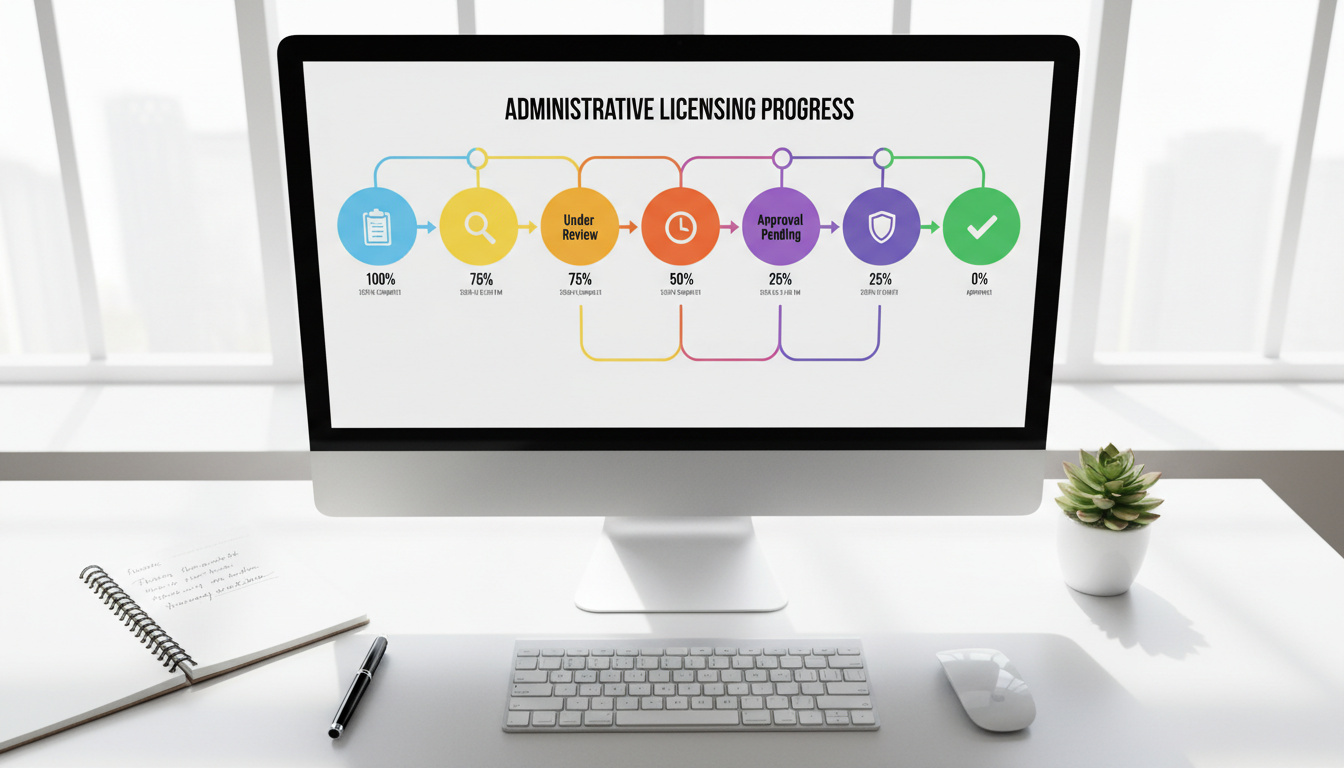
Applicants often face challenges such as complex paperwork, stringent eligibility criteria, and lengthy approval processes. To overcome these obstacles, stay organized and proactive. Contact program administrators for clarification on confusing requirements or seek professional assistance if needed.
Networking with others who have successfully navigated similar processes can also provide valuable insights. Online forums and local business groups can be excellent resources for advice and support.
Maximizing the Benefits of Subsidies
Once approved, it's important to utilize the subsidy effectively. Ensure that the funds are allocated as intended and comply with all terms and conditions. Misuse can lead to penalties or the requirement to repay the subsidy.

Regularly monitor the impact of the subsidy on your goals. Set measurable objectives and assess progress to ensure alignment with your business or personal strategy. This approach will help you make informed decisions and potentially secure future funding.
Staying Informed and Updated
Government policies and programs are subject to change, so staying informed is key. Subscribe to newsletters, join relevant associations, and regularly check official government websites for updates on new and existing subsidy programs.
By keeping abreast of changes and maintaining a proactive approach, you can continue to leverage government subsidies effectively, contributing to long-term growth and success.