
Common Misconceptions About Indirect Tax in India


Understanding Indirect Tax in India
Indirect taxes are an essential part of the Indian taxation system, yet they are often misunderstood. These taxes are levied on goods and services, ultimately affecting the end consumer. Despite their prevalence, many misconceptions surround this topic.

Indirect Taxes Are the Same as Direct Taxes
A common misconception is that indirect taxes are similar to direct taxes. However, the primary difference lies in who bears the burden. While direct taxes are paid directly to the government by individuals or organizations, indirect taxes are collected by intermediaries (like retailers) from consumers.
Examples of indirect taxes include Goods and Services Tax (GST), customs duties, and excise duties. Each of these taxes is incorporated into the price of goods or services, making it a part of the overall cost.
GST Is the Only Indirect Tax
Another common belief is that GST is the only form of indirect tax in India. While GST is a significant component, there are other forms as well. Customs duties, which are levied on imported goods, and excise duties, which apply to specific products like alcohol and petroleum, are also crucial components of the indirect tax system.
Understanding the variety of indirect taxes helps businesses and consumers alike to better navigate their financial obligations and make informed decisions.
Indirect Taxes Are Uniform Across All States
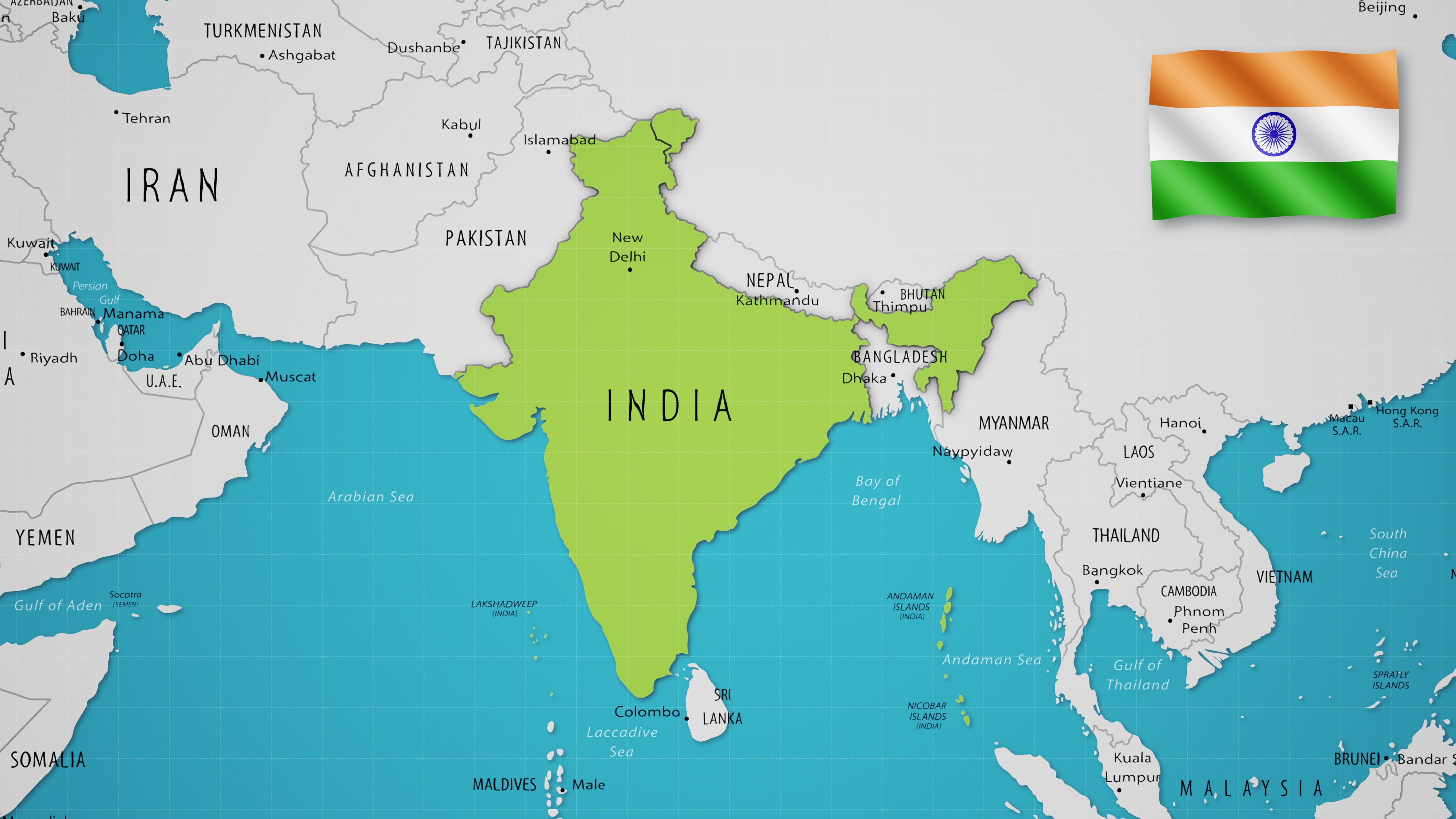
Many assume that indirect taxes are the same across all Indian states. While GST aims to standardize taxation, variations can occur. States can levy additional taxes such as state excise duties or specific levies on certain goods, adding complexity to the indirect tax landscape.
Businesses operating in multiple states need to be aware of these variations to ensure compliance and avoid any legal complications.
Only Businesses Need to Worry About Indirect Taxes
It's a common belief that indirect taxes concern only businesses. In reality, every consumer is affected as these taxes are embedded in the prices of goods and services. Understanding how indirect taxes work can lead to more informed purchasing decisions and financial planning.
Moreover, businesses pass on these taxes to consumers, making it essential for everyone to have a basic understanding of how these taxes function.
Indirect Taxes Do Not Impact the Economy
Some people think that indirect taxes have little impact on the economy. However, they play a crucial role in government revenue and economic stability. By influencing pricing and consumption patterns, indirect taxes can affect inflation, consumer behavior, and overall economic growth.
Governments often adjust indirect tax rates to manage economic conditions, highlighting their significance in economic policy.
Conclusion
Understanding the complexities of indirect taxes in India is essential for both consumers and businesses. By dispelling these misconceptions, individuals can make more informed decisions and contribute to a more transparent and efficient tax system.
As the landscape of indirect taxes evolves, staying informed and adaptable is key to navigating the financial aspects of daily life in India.